Macra: A Bold Display Font for Web Design
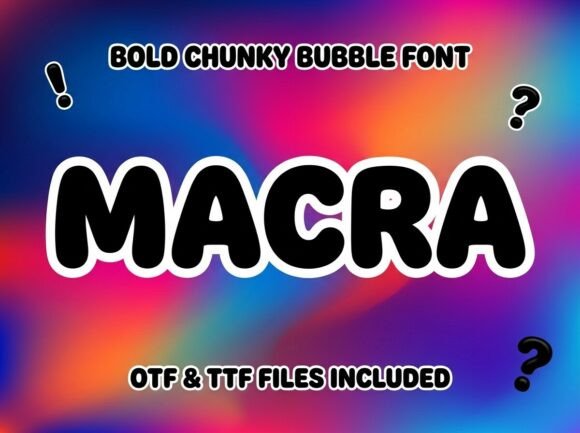
As a web designer, finding the right typeface can make or break a layout. Macra stands out as a decorative display font that brings artistic flair and strong character to any digital project. Its unique visual language makes it ideal for headers, logos, and other focal points where typography needs to command attention.
Macra’s design blends elegance with a touch of modernity. It features sharp curves, subtle flourishes, and a confident weight that gives it a premium feel. This makes it particularly effective in branding and editorial contexts where a strong visual identity is essential. Whether used in a hero section or a call-to-action button, Macra adds a sense of sophistication and creativity.
Using Macra in Web Layouts
For web designers, Macra excels in areas that require visual hierarchy and impact. It works best as a headline font rather than body text, ensuring readability while maintaining its decorative appeal. In landing pages, it can be used for primary headings to draw users’ eyes and guide them through the content flow.
In an online store, Macra can elevate banners and product titles, creating a more engaging shopping experience. For a creative portfolio site, using Macra in project titles or section headers helps establish a cohesive and professional look. When paired with a simple sans serif font for body copy, it creates a balanced contrast that enhances both aesthetics and usability.
On mobile screens, Macra maintains clarity even at smaller sizes, making it suitable for buttons and short phrases. However, it’s important to ensure sufficient spacing and contrast, especially on dark backgrounds or image overlays. Testing the font across different devices and screen sizes is key to optimizing its performance.
Macra in Branding and Digital Identity
Branding relies heavily on consistent visual elements, and typography plays a central role. Macra can serve as a signature typeface for logos, social media graphics, or branded assets. Its distinctive style helps create a memorable brand presence, especially for creative businesses, startups, or boutique stores.
When used in a coaching website or course sales page, Macra can reinforce the tone of professionalism and inspiration. It adds a layer of personality that resonates with audiences looking for unique and high-quality design. Pairing it with a serif font for subheadings or a clean sans serif for body text ensures a polished and readable layout.
For bloggers or content creators, Macra can be a powerful tool in header designs, blog titles, or featured sections. It brings energy and visual interest to content-heavy sites without overwhelming the reader. The font’s versatility allows it to adapt to various design styles, from minimalist to bold and expressive.
Practical Tips for Using Macra
When working with Macra, consider the context and purpose of each design element. It shines in short, impactful phrases such as headlines, CTA buttons, or logo text. Avoid using it in long paragraphs, as this can reduce readability and disrupt the user experience.
For a creative portfolio, using Macra in project titles or section dividers helps structure the content while maintaining a visually appealing layout. In a digital brand kit, it can be part of the visual system that defines the company’s identity across platforms and materials.
Font pairing is crucial for achieving balance. Combining Macra with a simple sans serif or a classic serif font can create a harmonious design that feels both modern and timeless. This approach is especially useful in SaaS interfaces, e-commerce sites, or content marketing campaigns where clarity and style are equally important.
Before integrating Macra into a project, check the available styles, file formats, and webfont options. Ensure that it supports the languages and characters needed for your audience. Also, verify the licensing terms to confirm that it’s suitable for commercial use, including websites, client projects, and digital templates.
Enhancing User Engagement with Macra
Typography influences how users interact with a website. Macra can enhance user engagement by creating a visually compelling experience that encourages exploration and interaction. Its strong character makes it ideal for hero sections, where first impressions matter most.
On a product landing page, Macra can highlight key selling points and differentiate the brand from competitors. In a digital ad, it draws attention and reinforces the message without being distracting. For a blog header, it sets the tone and invites readers to dive deeper into the content.
Ultimately, Macra is more than just a decorative font—it’s a tool that supports web design, brand expression, and user experience. Its ability to blend artistry with functionality makes it a valuable asset for designers looking to create standout digital experiences.